What is the difference between ceramics and porcelain?
The difference between ceramics and porcelain lies mainly in the raw materials and the way the material is fired. Porcelain is in fact a type of ceramic, but it is made from a finer clay body and fired at higher temperatures. That gives a denser and often paler material than many other kinds of ceramics.
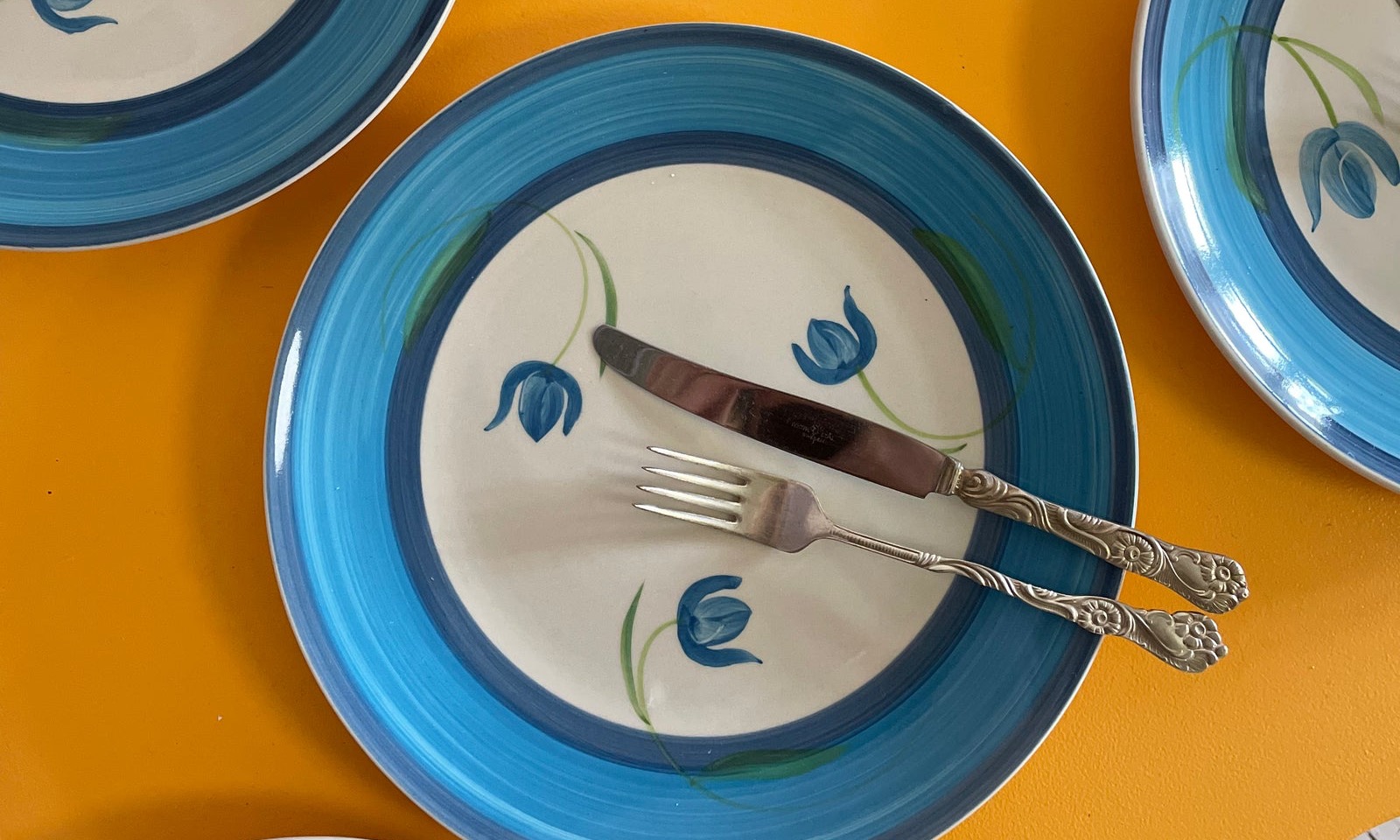
In everyday speech, though, we often use ceramics for earthenware and stoneware, while porcelain is talked about as a category of its own. That is why the line can seem a little blurry. Here we take a closer look at how the materials differ, how you can tell them apart, and what the difference means for tableware and other things for the home.
Porcelain is ceramics too
Ceramics is a collective term for objects shaped from clay or other ceramic raw materials and then fired. The group includes earthenware, stoneware and porcelain, among others.
So in practice, the difference between ceramics and porcelain is about how porcelain differs from the other types. Porcelain is made from a very fine clay body in which kaolin is typically an important ingredient. It is fired at a high temperature, making it dense and hard. That is one of the reasons why porcelain can often be made with thinner walls than, for example, stoneware.
What is ceramics made of?
The basic material of ceramics is clay. The composition of the clay depends on the type of ceramic being made, and it has a big impact on the finished result. Mixed with water, the clay can be shaped. It then has to dry before it is fired in a kiln. During firing, the material changes character and becomes permanently hard.
Many ceramic pieces are also glazed. The glaze melts onto the surface during firing and can, among other things, make the surface denser or change its look.
If you want to go deeper into the material and how it is made, you can also read our article on what ceramics is.
The difference starts with the clay
One of the clearest differences between porcelain and other ceramics lies in the body the piece is shaped from. Porcelain is usually made from a light, finely composed body. Traditionally it contains kaolin, a very pure type of clay. That contributes to porcelain's pale colour and makes a finer texture possible.
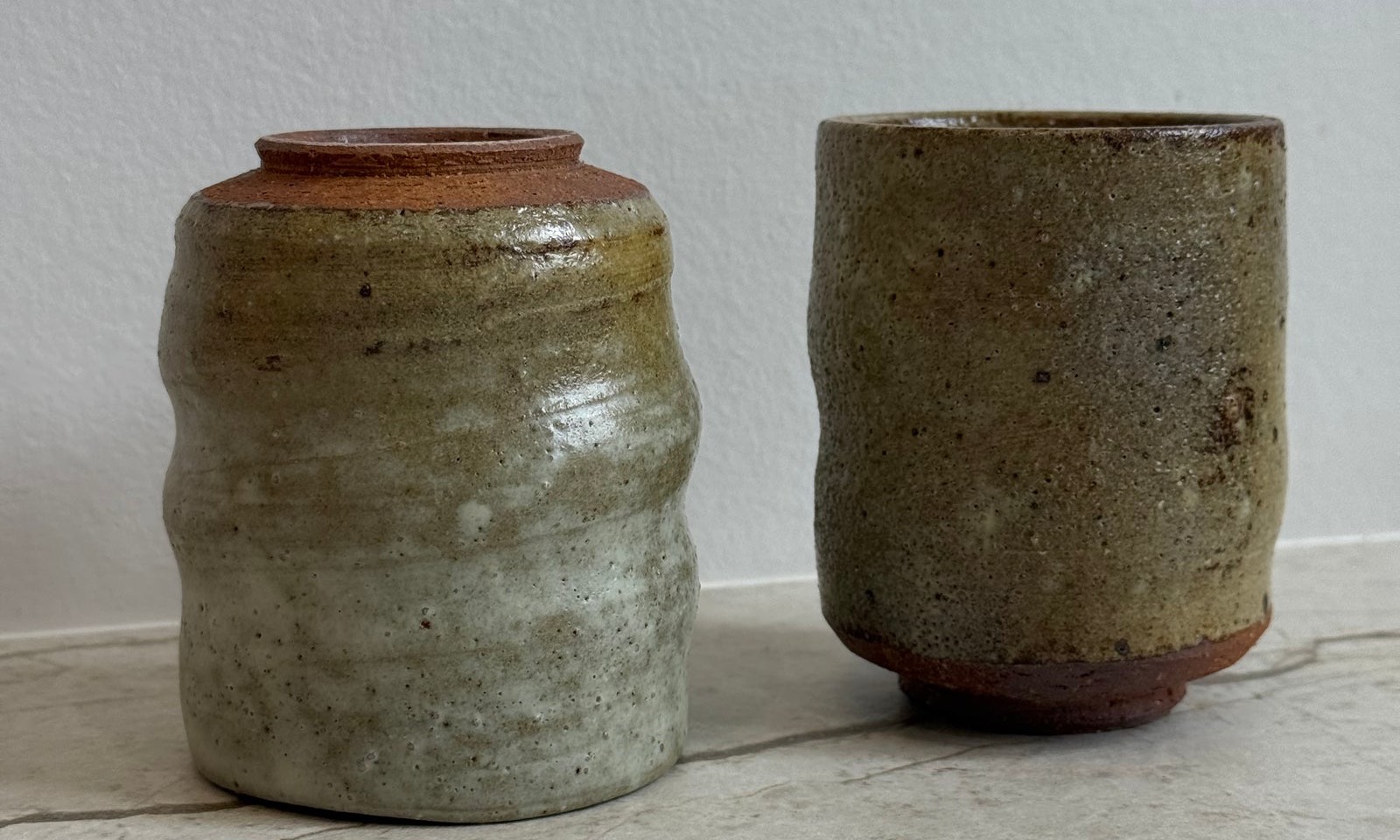
Stoneware and earthenware can be made from other types of clay, which often give a coarser or more natural look. The colour of the body itself can range from almost white to beige, brown or reddish. On glazed pieces the difference isn't always visible, because the glaze can cover the body completely.
Porcelain is fired at a high temperature
Firing is another important difference. Porcelain is fired at very high temperatures, which makes the material compact and almost glassy in structure. The result is a material with very low porosity.
Stoneware is also fired at a high temperature and can therefore be both strong and dense. So the difference between porcelain and stoneware isn't only about temperature, but also about the composition of the ceramic body. Earthenware, on the other hand, is fired at lower temperatures and remains more porous. That is why the glaze often plays an important role when earthenware is to be used for tableware, for example.
How to tell ceramics and porcelain apart
It can be hard to tell the material just by looking at a glazed plate or cup, but there are a few things you can look for.
Porcelain is often pale in the body itself and can be made very thin without losing its strength. With particularly fine porcelain, light can even shine through a little if you hold the piece up to a strong light source.
Stoneware often feels heavier and usually has thicker walls. It can have a more handmade look, but modern stoneware can also be very smooth and uniform. On vintage tableware, a stamp on the base can sometimes help identify the maker and therefore the material. Not all older pieces are marked, though.
What is the difference between porcelain and stoneware?
In several ways, stoneware and porcelain are closer to each other than porcelain and earthenware. Both are fired at relatively high temperatures and get a dense structure.
Porcelain typically has a finer, paler body. Stoneware is often thicker and can have more visible texture in the material. That doesn't mean stoneware is necessarily coarse. There are many types with glossy glazes and very fine surfaces.
So the difference is often felt as much in the look as in practical use. A porcelain cup can feel light and delicate in the hand, while a stoneware mug often has more weight.
Among our ceramic mugs and cups you will find many different combinations of body, glaze and shape.
What is faience?
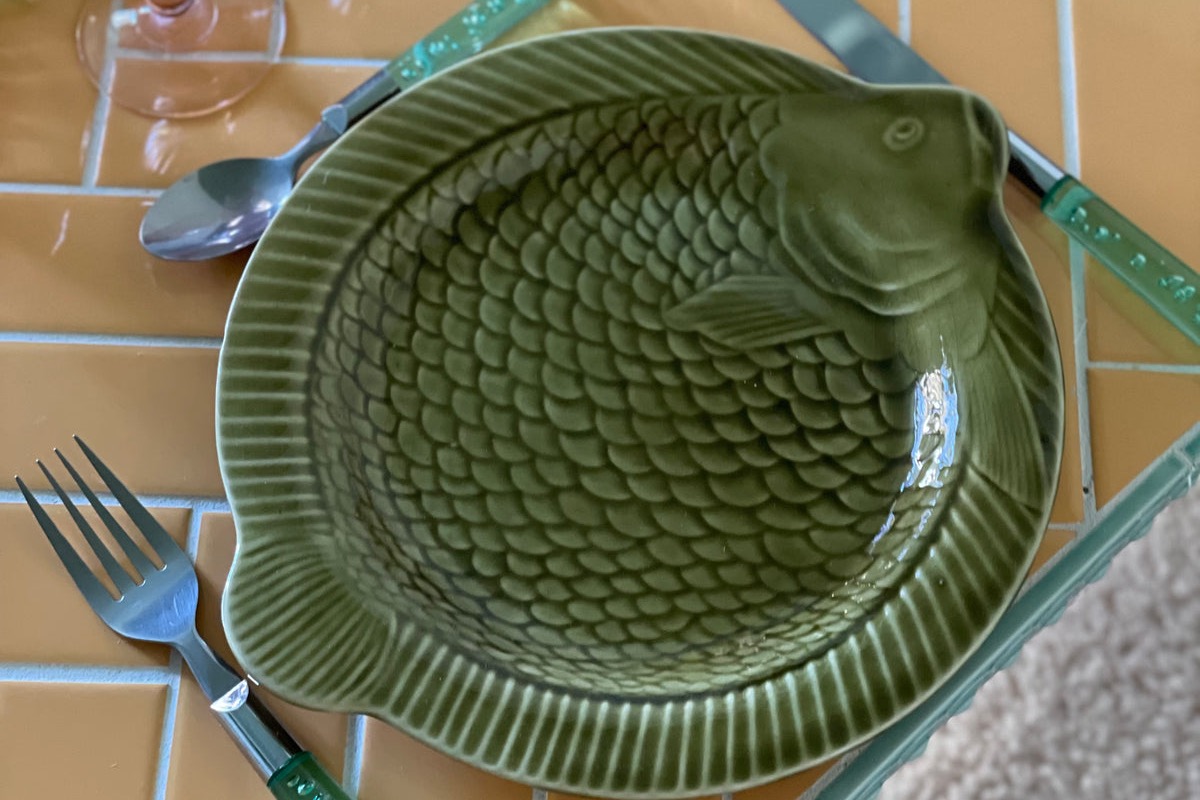
Faience often comes up when talking about older tableware and ceramics. Faience is a type of earthenware that has typically been given an opaque glaze. The pale surface makes it possible to decorate the piece with patterns and colours, even if the clay underneath is darker.
The material is more porous than porcelain and can therefore be more sensitive to knocks and damage to the glaze. That doesn't mean old faience tableware can't be used, but its condition is important to assess. Among vintage plates you can come across porcelain, stoneware and various kinds of earthenware.
Is porcelain stronger than ceramics?
It depends on which type of ceramic you compare it with. Porcelain is hard and dense, and the material can be strong even when it is relatively thin. That makes porcelain well suited to tableware where you want a lighter look.
Stoneware is robust too and is often used for things that need to handle everyday use. A thick stoneware mug can, for example, feel more solid than a fine porcelain cup, even though porcelain as a material is very hard.
So you can't judge durability from the name of the material alone. Thickness, age and any damage play a part too.
What is best for plates and tableware?
There is no single material that is best for every kind of tableware. It depends on how you use it and the look you want on the table.
Porcelain suits you if you prefer a lighter and often more classic look. Stoneware typically has more weight and can give the table a more rustic feel. Older earthenware and faience can have a completely different character, with decorations and glazes that clearly tell of the time they come from.
You don't have to choose one type, either. On a personal table, porcelain can sit happily next to stoneware or older faience. The differences in materials can be exactly what makes the table feel more alive.
Take a little extra care with older porcelain and ceramics
Vintage tableware has already lived a life, so it makes sense to look at the condition of each piece rather than just the material. Older glazes can have crazing, and there may be small chips along the edge. With decorated porcelain, washing by hand can be the careful option, especially if you don't know how the decoration reacts to many trips through the dishwasher.
Avoid sudden temperature changes on older pieces, too. A cold bowl shouldn't be filled with boiling liquid straight away, for example. The same goes for bowls and other used tableware, where material and age can vary from piece to piece.
Ceramics or porcelain? Choose what you like
The short explanation of the difference between ceramics and porcelain, then, is that porcelain itself belongs to the family of ceramic materials. It is made from a finer body and fired at a high temperature, which gives it its characteristic dense, pale body.
In practice, though, the choice doesn't have to be about which material is finest. A heavy stoneware plate, an old faience bowl and a thin porcelain cup each bring something different to a table.
At Farveladeland you will find a changing selection of vintage ceramics and tableware, found one piece at a time and already carrying a history. Explore the selection of tableware if you are looking for porcelain, ceramics and other finds that are allowed to be a little different from each other.