What is ceramics?
Ceramics is a collective term for objects shaped from clay and then fired at a high temperature. It can be anything from plates, cups and bowls to vases, jars and decorative figures. The material has been used for thousands of years, but the way it is shaped, glazed and fired still leaves room for huge differences in both look and quality.
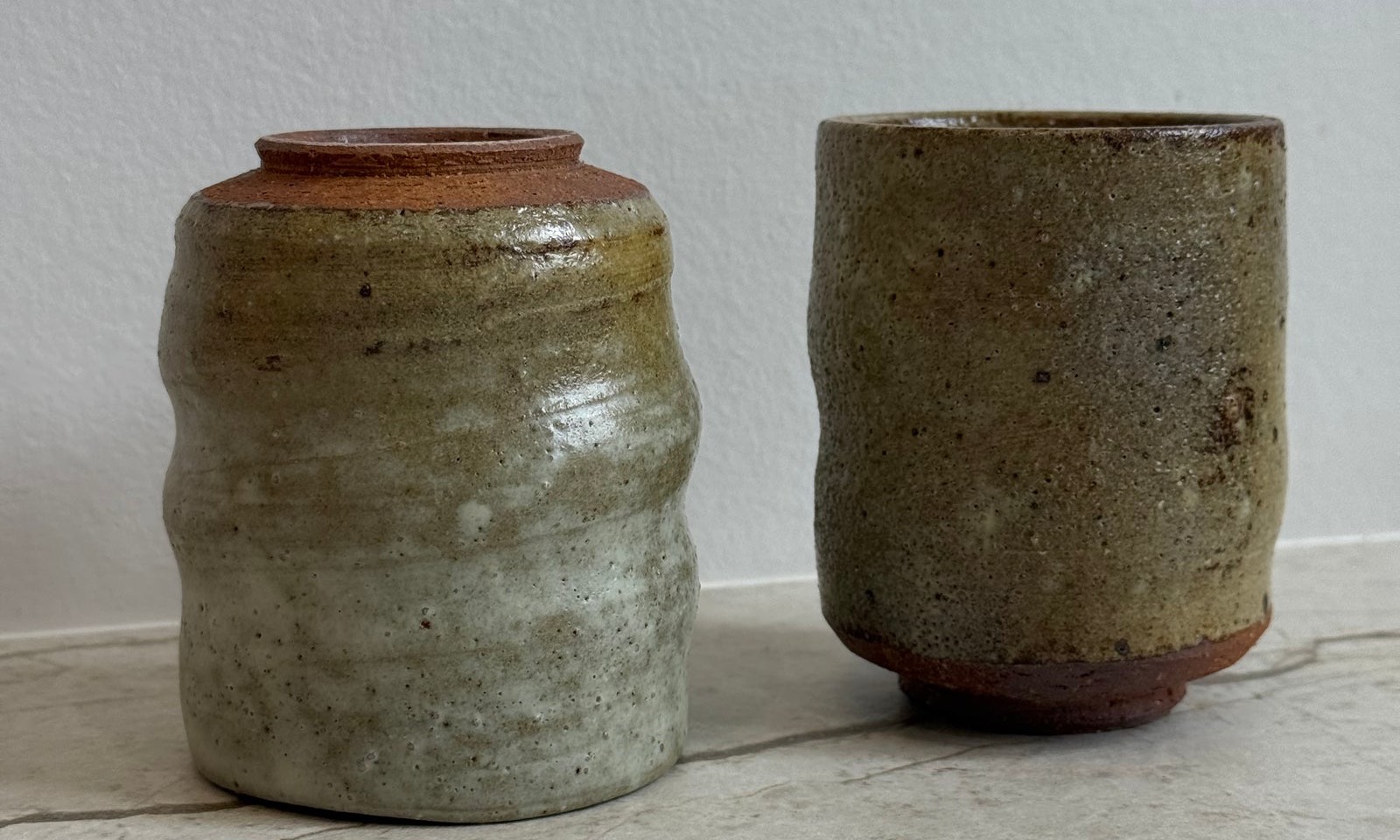
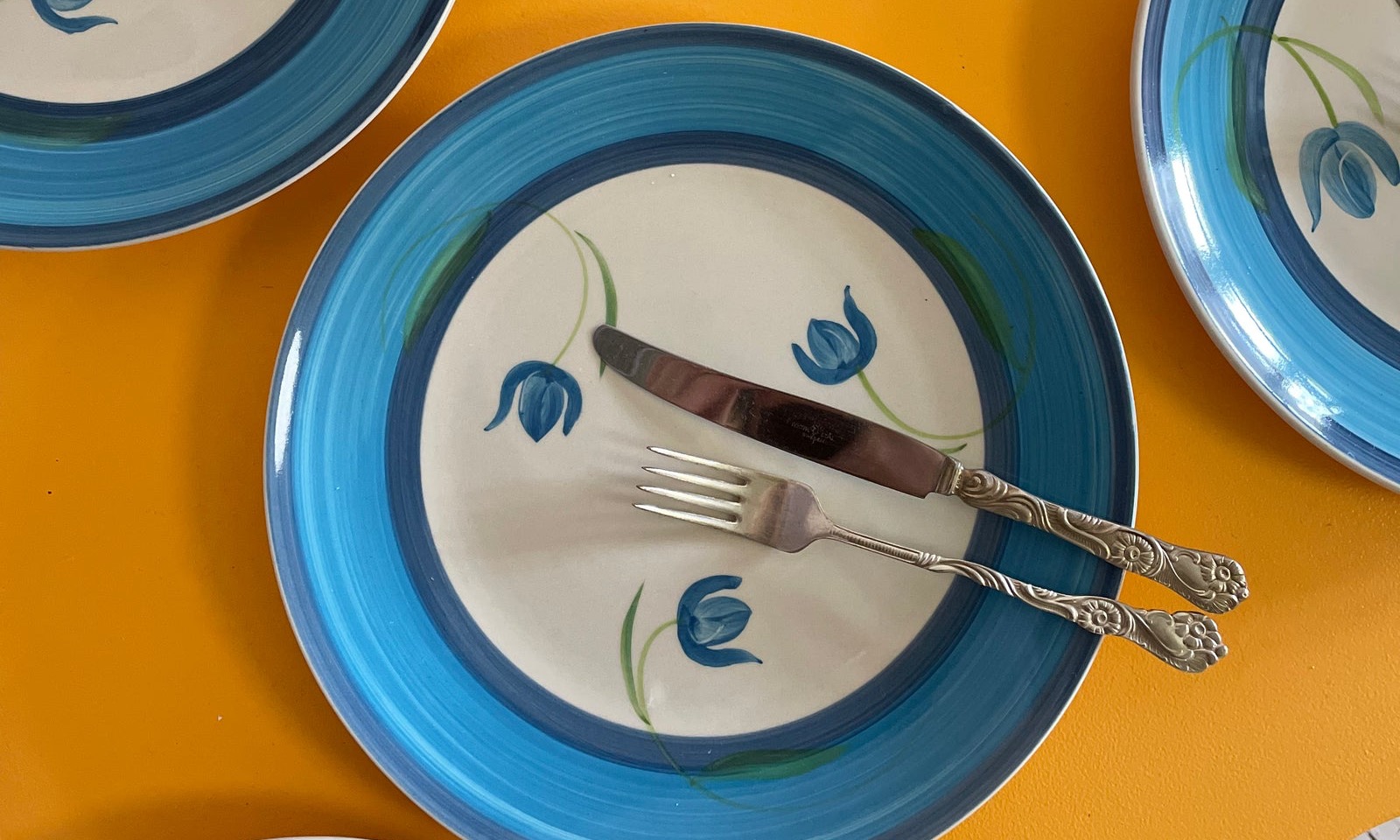
At Farveladeland you will find ceramics in many forms. Some pieces are simple and functional, while others are colourful, a little crooked or clearly marked by the hand that made them. In vintage ceramics especially, small variations are often part of what makes a piece interesting.
What is ceramics made of?
Ceramics is first and foremost made of clay. Clay is a natural material made up of very fine mineral particles. Mixed with water, the clay becomes workable and can be thrown, cast or shaped by hand. Once the shape is finished, the clay has to dry before it can be fired in a kiln. During firing, the material changes permanently. The soft clay becomes hard and can no longer be dissolved in water or reshaped.
Many ceramic pieces are also glazed. The glaze is applied to the surface and melts during firing, giving the ceramic a denser and often glossier surface. The glaze can also change both the colour and the overall look. That is why ceramics can look so different. A raw, matt bowl can belong to the same group of materials as a glossy, decorated plate, even though at first glance they seem worlds apart.
How ceramics is made
There are many ways to make ceramics. Some pieces are thrown on a potter's wheel, while others are shaped by hand or made in a mould. In serial production the same mould can be used again and again, while handmade ceramics will typically vary slightly from piece to piece.
After shaping, the ceramic has to dry slowly. If there is still too much moisture in the clay when it goes into the kiln, the piece can crack or break. Then it is fired. The exact temperature depends on, among other things, the type of clay and whether it is earthenware, stoneware or porcelain. Ceramics can also be fired several times, for example first without glaze and then again once the glaze has been applied.
That is one of the reasons why two ceramic pieces that look alike at first glance can feel very different in the hand.
Earthenware, stoneware and porcelain
Ceramics is not one particular material. It is a broad term that covers earthenware, stoneware and porcelain, among others. Earthenware is fired at relatively low temperatures and is more porous than stoneware and porcelain. That is why earthenware is often glazed if it is to be used for food and drink. Many older platters, bowls and decorative pieces are made of earthenware.
Stoneware is fired at higher temperatures, which makes the material denser and less absorbent. That makes it well suited to tableware that is used often. Porcelain is typically made from a finer type of clay and is also fired at high temperatures. It gives a lighter and more refined look.
What is the difference between ceramics and porcelain?
The question of the difference between ceramics and porcelain can be a little misleading, because porcelain is in fact a type of ceramic. When people distinguish between the two in everyday speech, they usually mean the difference between coarser ceramics, like earthenware or stoneware, and finer porcelain. Porcelain is typically lighter, denser and more uniform, while stoneware and earthenware can have a coarser texture and a more rustic look.
That doesn't mean one type is better than the other. It is very much about look and use. A heavy stoneware cup can feel just right for the morning coffee, while a thin porcelain plate gives a lighter, more classic look on the table. With vintage pieces the lines aren't always clear at first glance either. Glaze, decoration and age can make it hard to tell the material from a photo alone. You can read more in our guide to the difference between ceramics and porcelain.
What is the difference between ceramics and stoneware?
Stoneware is ceramics too. So the difference isn't whether something is ceramic or not, but which type of ceramic it is. Stoneware is fired at a higher temperature than traditional earthenware. That makes the material denser and less absorbent, which is why stoneware is well suited to things that are used often, like mugs, bowls, platters and plates.
The look can vary a lot, though. Some stoneware is coarse and rustic, while some has a smooth glaze and a more refined appearance. That is also why you can't always tell the material from the colour or surface alone.
Why does vintage ceramics look so different?
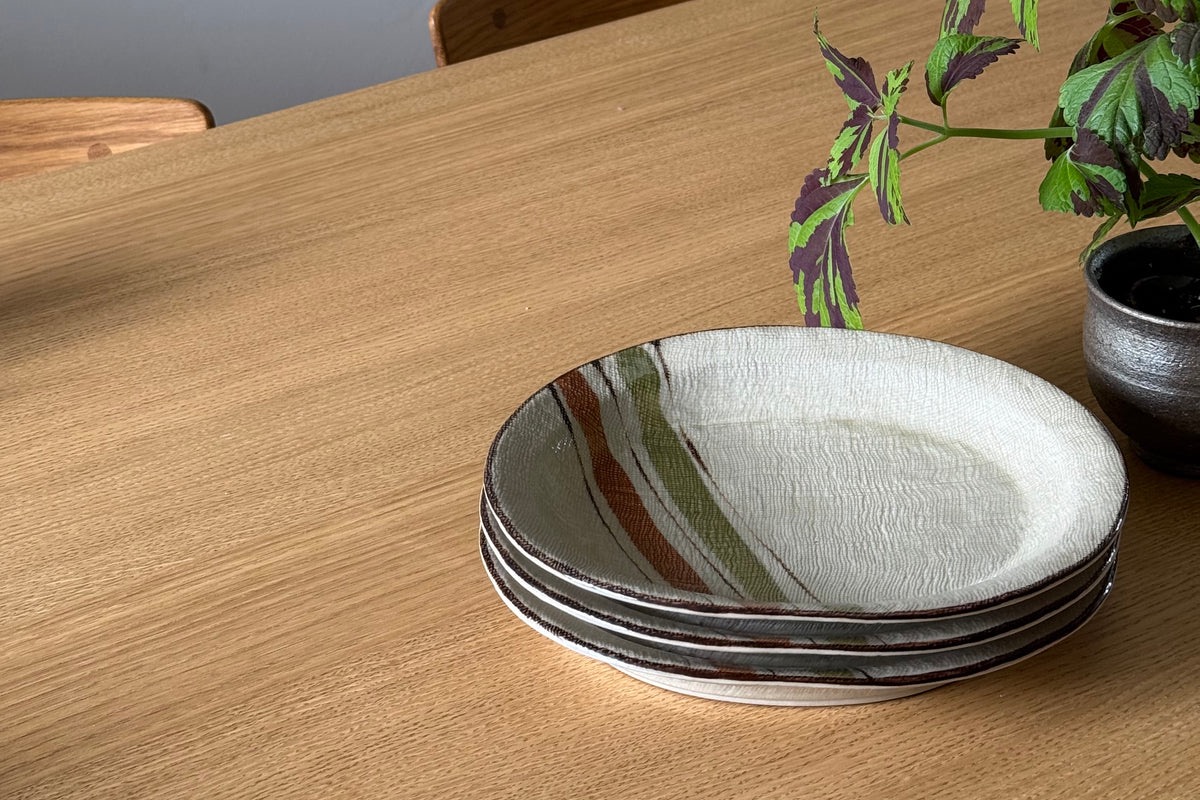
Vintage ceramics comes from many different periods, makers and countries. Some pieces were made in large series, while others were made in small workshops or decorated by hand. So you may come across small differences in the glaze, uneven edges or variations in colour. On handmade or older pieces, that kind of thing isn't necessarily a flaw. It can be a trace of the production itself and part of the piece's history.
It is also one of the reasons why old tableware rarely needs to match perfectly. Plates from different sets, coloured bowls and cups with different patterns can work well together if you like a more personal table.
At Farveladeland you will find a changing selection of tableware, where ceramics, glass and other vintage finds can be mixed freely.
How to look after ceramics
How ceramics should be treated depends on its age, material and glaze. Newer stoneware can often handle both the dishwasher and everyday use, while older and more delicate ceramics needs a little more care.
With vintage ceramics it is a good idea to look out for cracks, chips and crazing in the glaze. A crazed surface can be a natural part of an older piece, but it can also mean the piece is less suited to liquids or very frequent use.
If in doubt, washing by hand is the careful option. Avoid big temperature changes, and don't let very old or delicate pieces go straight from cold to boiling water. You will find more advice in our guide to washing up old treasures.
With the right care, ceramics can last for many years. That is one of the material's great qualities, after all. The plates, cups and bowls you find at Farveladeland today have often already been part of a home for decades and can easily get a new life with their next owner.